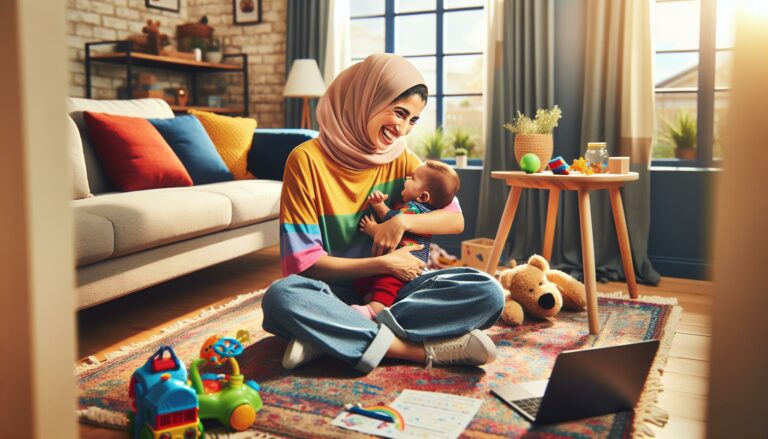
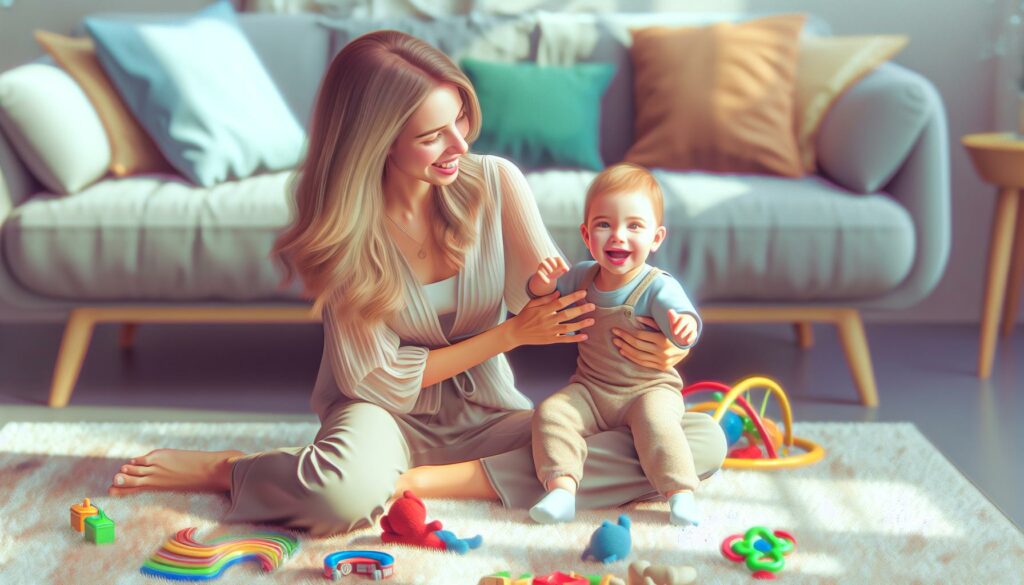
Infant social development lays the foundation for how children interact with others throughout their lives. From the earliest months, babies begin to recognize faces, respond to emotions, and form bonds with caregivers. These early interactions are crucial for building trust and understanding social cues.
As infants grow, their ability to communicate and engage with the world expands rapidly. Playing, smiling, and sharing demonstrate their emerging social skills, which are essential for later relationships and emotional well-being. By nurturing these developmental stages, parents and caregivers can support a child’s journey toward confident and empathetic social interactions.
Understanding Infant Social Development
Infant social development encompasses the processes through which babies begin to interact with others and understand social dynamics. Recognizing faces marks an early milestone, enabling infants to distinguish between familiar and unfamiliar individuals. Responding to emotions involves interpreting facial expressions and vocal tones, allowing infants to react appropriately to caregivers’ moods.
Forming bonds with caregivers establishes a foundation of trust, essential for secure attachment. These bonds facilitate the infant’s ability to navigate social environments and develop empathy. Through consistent interactions, caregivers help infants understand social cues, such as gestures and vocal inflections, which are critical for effective communication.
Engagement skills emerge rapidly as infants participate in activities like play, smiling, and sharing. Playtime interactions foster cooperation and turn-taking, while smiling encourages positive social exchanges. Sharing objects or attention teaches infants about reciprocity and consideration for others.
Parents and caregivers play a pivotal role in nurturing these early social skills. By providing responsive and attentive care, they support the infant’s emotional and social growth. Engaging in regular face-to-face interactions, responding to needs promptly, and creating a stimulating environment contribute to the development of confident and empathetic children.
Key Milestones in Infant Social Development
Infants achieve several social milestones within their first two years:
| Age Range | Social Milestone |
|---|---|
| 0-3 months | Begins to smile responsively |
| 4-6 months | Engages in reciprocal smiling |
| 7-12 months | Exhibits stranger anxiety |
| 13-18 months | Imitates actions and sounds |
| 19-24 months | Engages in parallel play |
These milestones indicate progress in social recognition, emotional response, and interactive behaviors, laying the groundwork for more complex social interactions in later childhood.
Influences on Social Development
Multiple factors influence infant social development:
- Genetic Factors: Inherited traits affect temperament and social responsiveness.
- Environment: A stimulating environment promotes social engagement and learning.
- Caregiver Interaction: Responsive and consistent caregiving enhances trust and communication skills.
- Cultural Practices: Cultural norms shape social behaviors and expectations from infancy.
Understanding these influences helps caregivers create supportive conditions that facilitate optimal social growth in infants.
Supporting Social Development in Infants
Caregivers can support infant social development by:
- Providing Consistent Care: Ensures a sense of security and trust.
- Engaging in Interactive Play: Encourages communication and cooperation.
- Responding to Cues Promptly: Reinforces the infant’s understanding of social signals.
- Modeling Positive Behavior: Demonstrates appropriate social interactions for infants to emulate.
Implementing these strategies fosters a nurturing environment conducive to healthy social development.
Stages Of Social Development In Infants
Infants progress through distinct stages in their social development, each building on previous abilities to enhance interactions and relationships.
Social Smiles And Expressions
Social smiles emerge around six to eight weeks, signaling recognition of familiar faces. Infants use smiles, eye contact, and gestures to communicate emotions. These expressions facilitate bonding with caregivers and encourage reciprocal interactions. By three months, babies respond to smiles with their own, reinforcing positive social exchanges.
Developing Attachment
Attachment forms between two to three months, creating a foundation of trust. Secure attachment results when caregivers consistently meet infants’ needs, promoting a sense of safety. Insecure attachment may develop if responses are inconsistent, affecting future relationships. Attachment behaviors include seeking comfort, clinging, and displaying distress when separated from caregivers.
Factors Influencing Infant Social Development
Multiple factors shape an infant’s ability to interact and connect with others. These elements work together to support healthy social growth.
Parental Interaction
Responsive and consistent interactions with parents establish secure attachments. Engaging in activities such as talking, singing, and playing enhances communication skills. Parents who model positive behaviors help infants learn to recognize and respond to social cues. Quality time with caregivers fosters empathy and trust, essential for future relationships.
Environmental Influences
A stimulating environment supports social development by encouraging exploration and interaction. Access to age-appropriate toys and safe spaces promotes cognitive and social skills. Exposure to diverse social settings, like playgroups or family gatherings, broadens infants’ social experiences. A stable and nurturing environment reduces stress, enabling infants to focus on building social connections.
Assessing Social Development In Infants
Key Social Development Milestones
Infants reach several social development milestones that indicate their progress in interacting with others:
- Responsive Smiling (6-8 weeks): Babies begin to smile in response to familiar faces, showing recognition and pleasure.
- Stranger Anxiety (6-9 months): Infants exhibit fear or distress around unfamiliar individuals, reflecting attachment to caregivers.
- Imitation of Actions (6-12 months): Babies mimic gestures and facial expressions, demonstrating learning through observation.
- Parallel Play (9-18 months): Infants engage in side-by-side play, interacting without direct interaction, fostering social awareness.
Assessment Methods
Professionals use various methods to evaluate an infant’s social development:
- Parent Reports: Caregivers provide insights into the infant’s social behaviors and interactions.
- Observational Assessments: Specialists observe interactions in natural settings to identify social engagement and responsiveness.
- Standardized Tools: Instruments like the Ages and Stages Questionnaires (ASQ) assess social milestones and identify potential delays.
- Developmental Screenings: Regular check-ups include evaluations of social skills alongside other developmental areas.
Influencing Factors
Multiple factors impact an infant’s social development assessment:
- Genetic Factors: Inherited traits can influence social behaviors and responsiveness.
- Caregiver Interaction: Consistent and responsive caregiving promotes secure attachments and social confidence.
- Environmental Stimuli: A stimulating environment with diverse social interactions supports social skill acquisition.
- Cultural Practices: Cultural norms shape the ways infants interact and express social behaviors.
Role of Caregivers
Caregivers play a crucial role in fostering and assessing infant social development:
- Consistent Care: Reliable responses to an infant’s needs build trust and secure attachment.
- Interactive Play: Engaging in play activities enhances communication and social interaction skills.
- Modeling Behavior: Demonstrating positive social cues teaches infants appropriate social responses.
- Responsive Communication: Promptly addressing an infant’s cues reinforces social engagement and emotional understanding.
Monitoring Progress
Tracking an infant’s social development involves regular monitoring and documentation:
- Developmental Checklists: Utilize checklists to record achieved milestones and identify areas needing support.
- Professional Consultations: Seek evaluations from pediatricians or child development specialists during routine visits.
- Early Intervention: Initiate support strategies if delays or atypical behaviors are observed, ensuring timely assistance for optimal social growth.
Supporting Tools and Resources
Various tools aid in assessing and supporting infant social development:
| Tool Name | Purpose | Age Range |
|---|---|---|
| Ages and Stages Questionnaires (ASQ) | Evaluate developmental milestones | 1 month to 5 years |
| Bayley Scales of Infant Development | Assess cognitive, motor, and social-emotional development | 1 month to 42 months |
| Parent-Child Interaction Assessment | Observe and enhance parent-infant interactions | 0-3 years |
| Social Emotional Development (SED) Screening Tool | Identify social and emotional competencies | 6 months to 5 years |
By utilizing these assessment methods and tools, caregivers and professionals can effectively monitor and support an infant’s social development, ensuring a strong foundation for future interpersonal relationships.
Supporting Healthy Social Development
Creating a nurturing environment promotes healthy social development in infants. Consistent care establishes secure attachments, allowing babies to feel safe and valued. Responsive interactions, such as promptly addressing an infant’s needs, reinforce trust and encourage social engagement. Engaging in interactive play enhances communication skills and fosters cooperative behaviors like sharing and turn-taking.
Modeling positive behavior influences infants’ ability to recognize and respond to social cues. Caregivers who demonstrate empathy, kindness, and appropriate emotional responses provide clear examples for infants to emulate. Encouraging exploration within a safe space supports social growth by allowing infants to interact with diverse stimuli and environments.
Fostering communication skills involves regular talking, singing, and reading to infants. These activities expand vocabulary, improve listening skills, and promote understanding of social interactions. Providing opportunities for social interaction with peers and other adults broadens an infant’s exposure to different social settings and behaviors.
Maintaining a stable and stimulating environment reduces stress, enabling infants to focus on building social connections. Exposure to various cultural practices and social activities enriches an infant’s social experience, promoting adaptability and empathy. Utilizing assessment tools, such as the Ages and Stages Questionnaires (ASQ), helps monitor social development progress and identify areas needing support.
Promoting healthy social development includes:
- Consistent Care: Ensures infants feel secure and build trust.
- Interactive Play: Enhances communication and cooperative skills.
- Positive Role Modeling: Teaches empathy and appropriate social behaviors.
- Communication Encouragement: Expands language and social understanding.
- Social Interaction Opportunities: Broadens exposure to diverse social settings.
- Stable Environment: Reduces stress and supports focus on social connections.
- Cultural Exposure: Promotes adaptability and empathy through diverse experiences.
- Developmental Monitoring: Uses tools like ASQ to track and support social growth.
By implementing these strategies, caregivers support infants in developing strong social foundations essential for future interpersonal relationships and emotional well-being.
Conclusion
Supporting an infant’s social development lays the foundation for lifelong relationships and emotional well-being. By fostering secure attachments and encouraging interactive play parents and caregivers create an environment where babies thrive socially.
Emphasizing consistent care and positive interactions helps infants navigate social cues and build trust. As they grow these early experiences shape their ability to connect with others, ensuring a healthy and confident approach to future social interactions.