

In a world where multitasking is the name of the game, knowing how to forward phone calls on an iPhone can be a game-changer. Picture this: you’re in an important meeting, your phone starts buzzing, and you can’t just let it ring like a forgotten relic. Instead of fumbling for your phone like a deer in headlights, you can seamlessly redirect those calls to a more convenient destination.
Forwarding calls isn’t just a tech-savvy trick; it’s a lifesaver for anyone juggling work, family, or a Netflix binge. Whether you want to send calls straight to voicemail or to a trusty sidekick, mastering this feature will save you time and keep you in control. Let’s dive into the simple steps that’ll have you forwarding calls like a pro—because who doesn’t want to be the superhero of their own phone?
Understanding Call Forwarding
Call forwarding serves as a vital tool for managing phone communications. This feature allows users to redirect incoming calls to another number, ensuring important calls are received even when unavailable.
What Is Call Forwarding?
Call forwarding refers to the process of directing incoming calls from one phone number to another. Users can forward calls to a different mobile number, landline, or even voicemail. Some variations include conditional forwarding, which activates based on availability, and unconditional forwarding, which routes all calls. Users can configure these settings directly on their iPhones, providing flexibility in managing communication.
Benefits of Call Forwarding
Many advantages come with utilizing call forwarding. First, it enhances accessibility by ensuring calls reach users wherever they are, reducing missed connections. Second, call forwarding aids in maintaining professionalism during meetings or personal time. Additionally, it allows users to manage multiple numbers effectively, streamlining communication. Finally, this feature provides peace of mind, knowing important calls won’t go unanswered.
Steps to Forward Phone Calls on iPhone
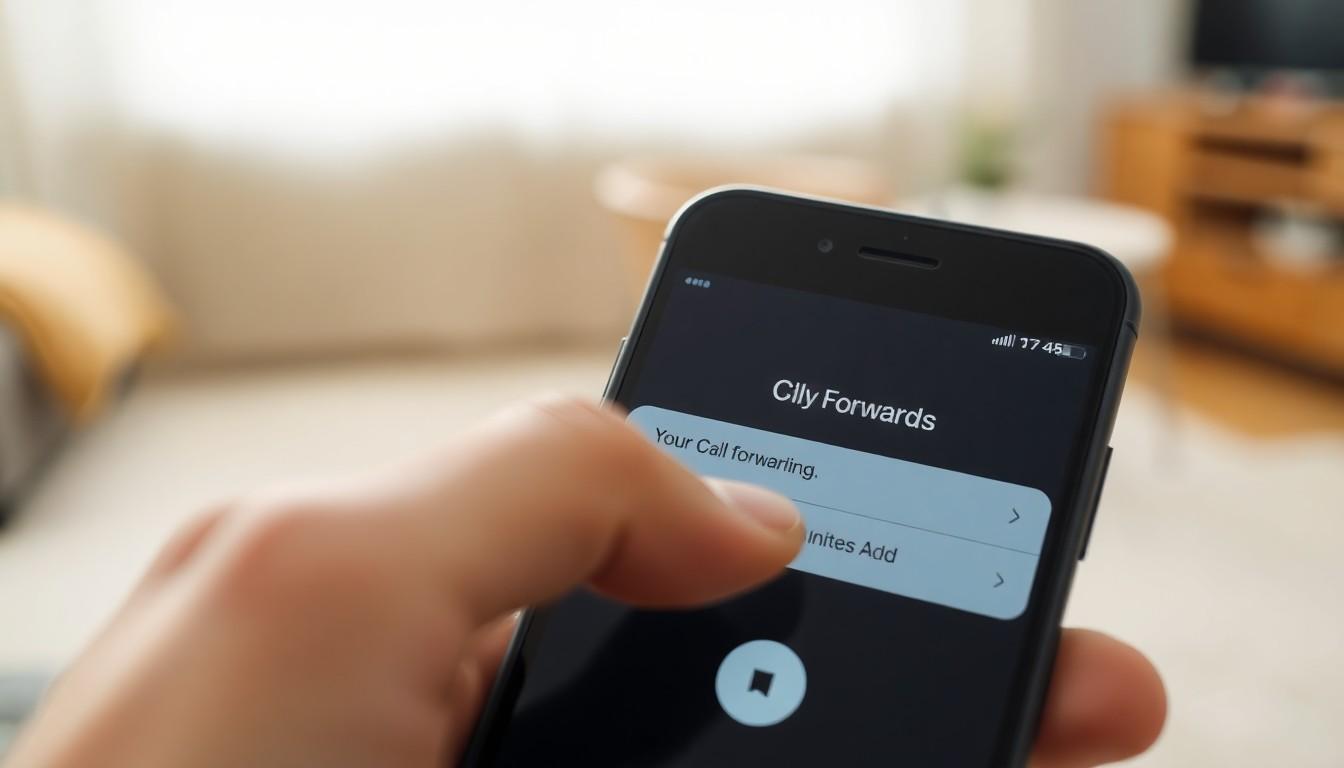
Forwarding calls on an iPhone is straightforward. Users can set up call forwarding through the Settings app or schedule it for specific times.
Using the Settings App
Access the Settings app and scroll down to Phone. Tap on it, then select Call Forwarding. Toggle the Call Forwarding switch to enable the feature. After that, enter the number to which calls will forward. Confirm the number is correct. Users see a notification confirming that call forwarding is active.
Forwarding Calls During Specific Times
Scheduling call forwarding during specific times can enhance communication management. Users must first enable call forwarding as described earlier. Next, access Do Not Disturb settings. Schedule a time frame. During this period, calls automatically redirect to the designated number. Adjusting Do Not Disturb settings can create an ideal environment for focus while ensuring important calls still come through.
Troubleshooting Call Forwarding Issues
Users may encounter several challenges while setting up or using call forwarding. Identifying and addressing these issues ensures the feature works effectively.
Common Problems and Solutions
Frequent problems include incorrect numbers, disabled features, or settings not being saved. Users can double-check the forwarding number for accuracy. If settings fail to save, restarting the iPhone often resolves the problem. Sometimes, network issues affect call forwarding, so ensuring a stable connection is crucial. If the Call Forwarding option isn’t visible, check if the carrier supports this feature.
When Call Forwarding Doesn’t Work
Call forwarding may not function due to various reasons. First, check whether the feature is activated in the Settings app. If it’s not forwarding calls, ensure there are no active Do Not Disturb settings interfering. Sometimes, carrier restrictions prevent forwarding, requiring users to contact their service provider for assistance. It’s essential to confirm that the forwarding number is reachable to avoid unanswered calls.
Alternatives to Call Forwarding
Exploring alternatives to call forwarding offers additional ways to manage incoming communications seamlessly. Users can consider various methods to ensure they don’t miss important calls.
Using Third-party Apps
Third-party apps provide flexibility that enhances call management. Applications like Google Voice or Grasshopper let users redirect calls and maintain multiple numbers under one account. These services often include additional features, such as voicemail transcription and call screening, which streamline communication. Installation is straightforward, and setup can occur within minutes. Customizable options allow users to maintain professionalism while juggling personal and business calls efficiently.
Voicemail as an Alternative
Voicemail serves as a practical option. Activating voicemail ensures that callers can leave messages even when the user is unavailable. Most service providers include visual voicemail features, allowing users to view messages in a list format for easy selection. Callers can record important information, while users can listen at their convenience. By configuring greetings for various situations, users can offer personalized responses, ensuring callers receive appropriate attention. This method provides peace of mind while avoiding interruptions during crucial moments.
Conclusion
Mastering call forwarding on an iPhone empowers users to take control of their communications. By redirecting calls when necessary they can maintain professionalism and ensure important messages aren’t missed. This feature not only enhances accessibility but also promotes a focused environment during busy times.
With straightforward steps to set up call forwarding and options for troubleshooting common issues users can seamlessly integrate this tool into their daily routines. Exploring alternatives like third-party apps or voicemail can further enhance call management strategies. Embracing these techniques allows anyone to navigate their phone communications like a pro.